Agentic AI for Pentesting

AI for Autonomous Scoping, Vulnerability Triage and Pentesting

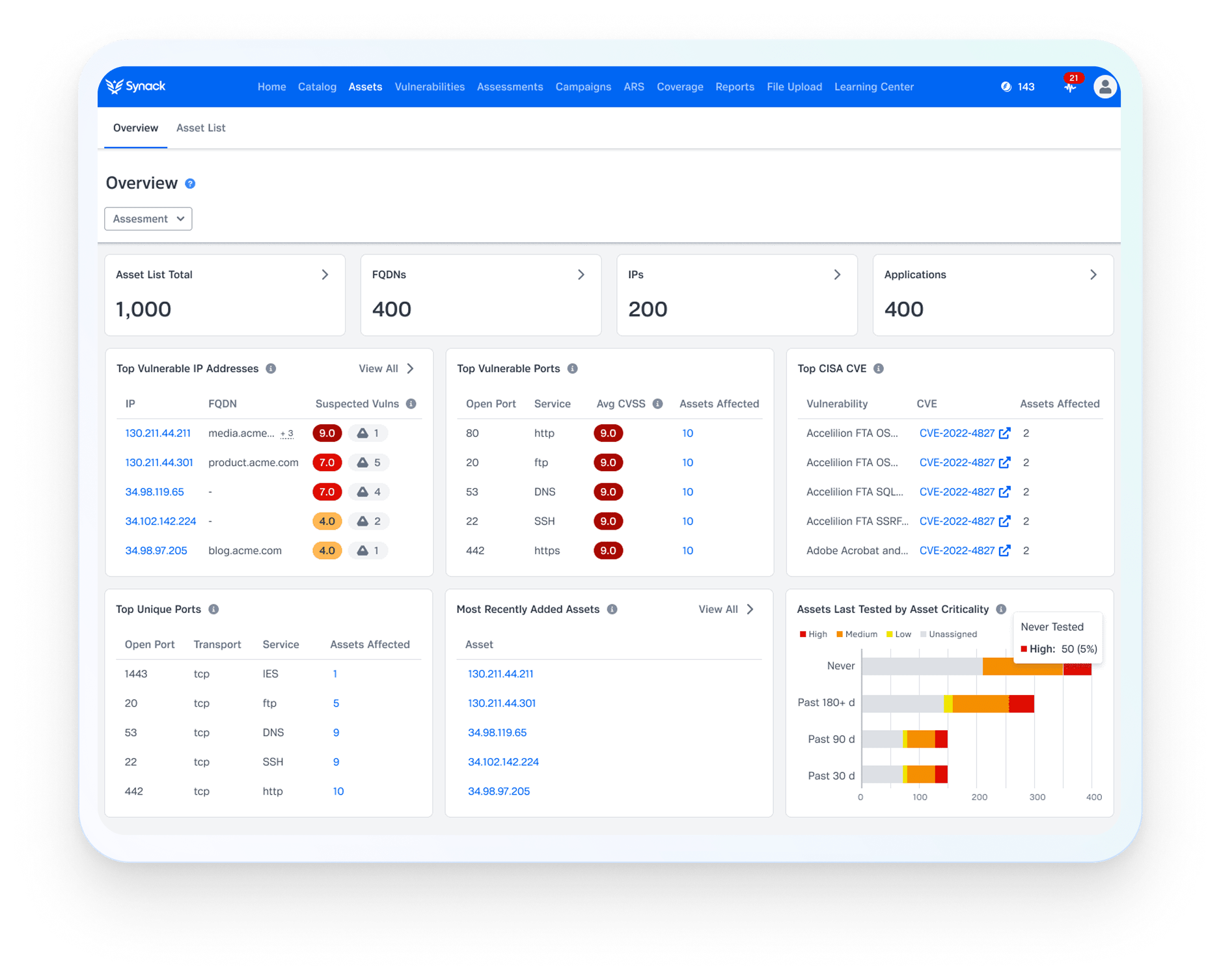
Meet Sara, your offensive security force multiplier. Sara AI agents deliver smart, scalable and fast vulnerability discovery and validation.

What is Sara

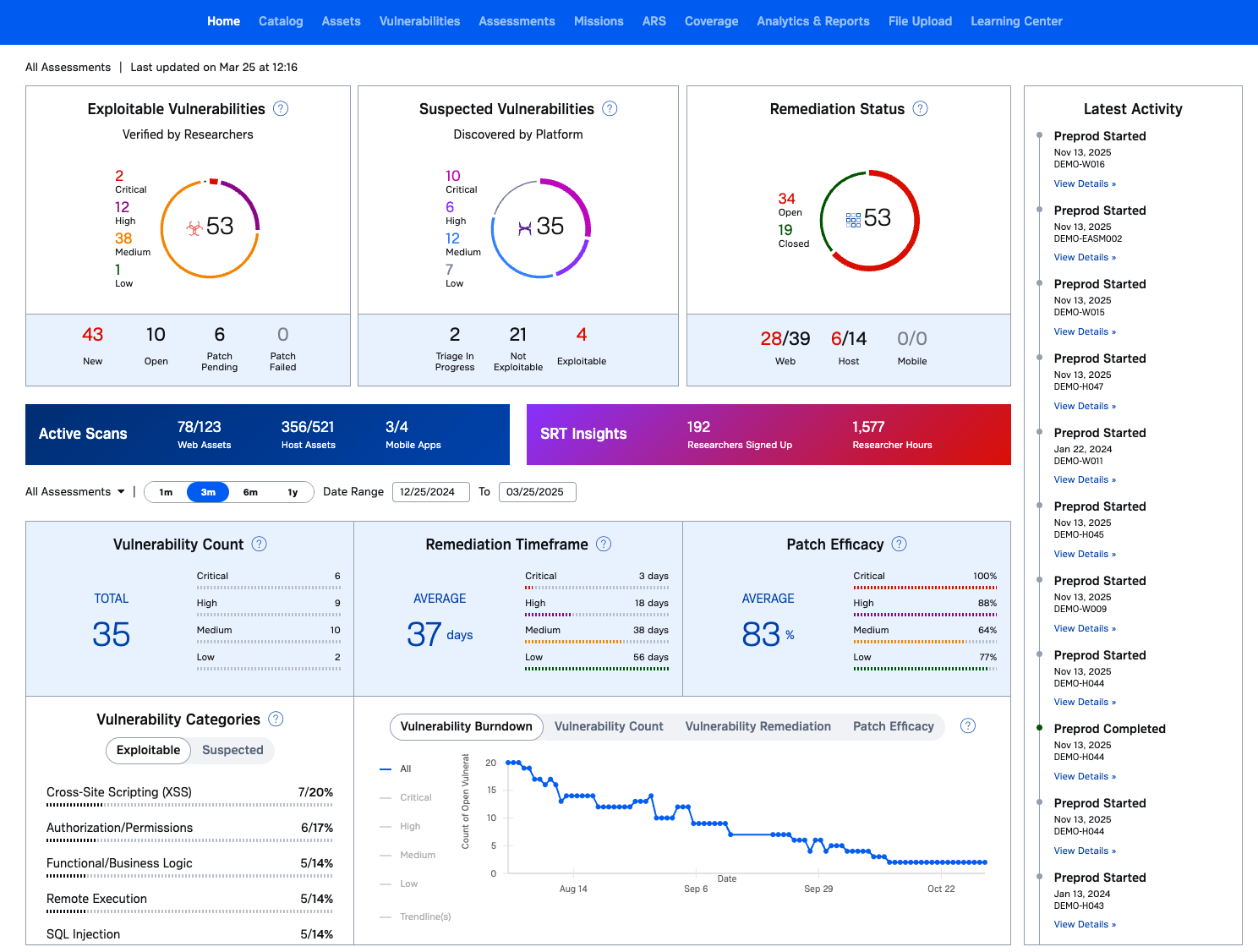
Sara (Synack’s Autonomous Red Agent) leverages hundreds of specialized AI agents, deployed in multi-agent models that work collaboratively. Each of the agents are experts in different tasks like reconnaissance, attack vectors, or vulnerability triage. By combining the efficiency of AI with expert human analysis, we enable your security team to pentest at machine speed on the Synack platform while maintaining quality assurance and control.

Sara isn’t just a scanner

Synack Autonomous Red Agent delivers exploitable, validated results—not another avalanche of unproven vulnerabilities

80%
Reduction In Per-Vulnerability Triage Cost

Eliminate manual triage to reduce operational burden and accelerate informed security decisions.

2-3
Days For Time To Value

Agents run a pentest in hours and Synack security experts ensure accuracy with human validation in days.

75%
Less Expensive Than A Standard Pentest

Cover more of your attack surface with speed and accuracy without worrying about cost.

Extend the power of AI across the pentesting lifecycle

1

Launch Tests in Minutes, Not Weeks

Sara Scoping

Sara’s AI scoping streamlines onboarding and asset scoping, enabling fast, flexible test initiation across your environment.

2

Cut Through the Noise

Sara Triage

Sara Triage analyzes third-party scan data using agent-led logic to flag what’s truly exploitable—and what’s not. Results can be reviewed by a human—giving you validated insight, not just alerts.

3

Understand Your Risk, Fast

Sara Pentest

Sara AI driven pentesting that autonomously tests across your attack surface to uncover real risk with speed, scale, and precision.

4

Trusted, Validated Results

Trusted, Validated Results

To guarantee AI accuracy, all vulnerabilities flagged exploitable by Sara Triage or discovered by Sara Pentest must be reviewed by Synack human security experts.

pop up image
FAQ
Modern Automated Pentesting with Sara AI
Close
What is agentic AI in the context of penetration testing?

Agentic AI refers to autonomous systems designed to take initiative and achieve complex security goals with minimal human intervention. Unlike static scanners, agentic AI like Sara uses specialized agents to validate vulnerabilities by emulating real attacker behavior—executing, prioritizing, or abandoning actions based on real-time analysis of the target’s responses.

Close
How does automated AI pentesting differ from a traditional vulnerability scan?

While a vulnerability scan identifies potential risks from a known list, AI pentesting (like Sara Triage) goes further by actively adjudicating findings to determine if they are truly exploitable. Sara automates the testing phase, allowing vulnerabilities to be identified much faster than manual human testing, while still maintaining human review at the end for final validation.

Close
What LLMs do Synack’s AI features leverage?

Synack uses GCP Vertex AI to leverage Google Gemini (to summarize scoping information in the Synack Assessment Creation Wizard) and Anthropic Claude (for Sara services).

Close
Do the LLMs Synack leverages train on or retain customer data?

No. The underlying LLMs used to power Sara and other AI features and services do not retain or train on any Synack customer data. Synack maintains full control over where data is processed and stored at rest.

Close
Does Synack train Sara or any other AI feature or service on customer data?

No, Synack does not use customer data for training AI features or services at this time.

Close
What safety guardrails are in place to prevent service impact?

Sara operates within a Layered Validation Architecture to ensure all actions stay within approved scopes. Some key safety functions include:

  • Destructive Command Blocking: The filter proactively identifies and drops commands across nine infrastructure categories that could cause service disruption, such as mass deletion of databases or virtual machines.
  • Strict Scope Enforcement: Sara is technically bounded to stay within your approved IP ranges and web applications, with built-in processes that prevent unauthorized lateral movement.
  • Rules of Engagement (RoE) Compliance: The system automatically enforces a strict RoE that prohibits intentional Denial of Service (DoS) testing, password brute-forcing, uncontrolled post-exploitation activities, or interaction with third-party services.
Close
Can automated AI pentesting handle complex authentication like MFA or Captcha?

Currently, bypassing Captcha remains a challenge as it is specifically designed to detect bots; testing is best performed on targets without it. Support for MFA (Multi-Factor Authentication) and OTP (One-Time Passwords) is not available now, but is on the roadmap.

Close
What types of vulnerabilities can Sara AI detect and validate?

Sara tests for a wide range of web and host vulnerabilities, including but not limited to:

  • Web: SQL Injection (SQLi), Cross-Site Scripting (XSS), IDOR, SSRF, and Command Injection.
  • Host: Weaknesses in protocols like SSH, FTP, SMTP, and SMB, including known exploits like EternalBlue.
  • CVE-Based: Mapping and validating specific vulnerabilities against the latest intelligence sources.
Close
How does the Sara stay updated on new and novel vulnerabilities?

In addition to open source vulnerability intelligence, Synack sources vulnerability intelligence from a third-party provider, ensuring the agent has the necessary context for the latest Proof of Concepts (POCs) and CVE information. Performance is further maintained by testing agents against internal benchmarks to prevent “drift” when underlying LLM models are updated.

Close
Can Sara be used to test internal environments?

Currently Sara can only test external web and host assets. Testing of internal assets is on the roadmap.

Close
What is agentic AI in the context of penetration testing?

Agentic AI refers to autonomous systems designed to take initiative and achieve complex security goals with minimal human intervention. Unlike static scanners, agentic AI like Sara uses specialized agents to validate vulnerabilities by emulating real attacker behavior—executing, prioritizing, or abandoning actions based on real-time analysis of the target’s responses.

Close
How does automated AI pentesting differ from a traditional vulnerability scan?

While a vulnerability scan identifies potential risks from a known list, AI pentesting (like Sara Triage) goes further by actively adjudicating findings to determine if they are truly exploitable. Sara automates the testing phase, allowing vulnerabilities to be identified much faster than manual human testing, while still maintaining human review at the end for final validation.

Close
What LLMs do Synack’s AI features leverage?

Synack uses GCP Vertex AI to leverage Google Gemini (to summarize scoping information in the Synack Assessment Creation Wizard) and Anthropic Claude (for Sara services).

Close
Do the LLMs Synack leverages train on or retain customer data?

No. The underlying LLMs used to power Sara and other AI features and services do not retain or train on any Synack customer data. Synack maintains full control over where data is processed and stored at rest.

Close
Does Synack train Sara or any other AI feature or service on customer data?

No, Synack does not use customer data for training AI features or services at this time.

Close
What safety guardrails are in place to prevent service impact?

Sara operates within a Layered Validation Architecture to ensure all actions stay within approved scopes. Some key safety functions include:

  • Destructive Command Blocking: The filter proactively identifies and drops commands across nine infrastructure categories that could cause service disruption, such as mass deletion of databases or virtual machines.
  • Strict Scope Enforcement: Sara is technically bounded to stay within your approved IP ranges and web applications, with built-in processes that prevent unauthorized lateral movement.
  • Rules of Engagement (RoE) Compliance: The system automatically enforces a strict RoE that prohibits intentional Denial of Service (DoS) testing, password brute-forcing, uncontrolled post-exploitation activities, or interaction with third-party services.
Close
Can automated AI pentesting handle complex authentication like MFA or Captcha?

Currently, bypassing Captcha remains a challenge as it is specifically designed to detect bots; testing is best performed on targets without it. Support for MFA (Multi-Factor Authentication) and OTP (One-Time Passwords) is not available now, but is on the roadmap.

Close
What types of vulnerabilities can Sara AI detect and validate?

Sara tests for a wide range of web and host vulnerabilities, including but not limited to:

  • Web: SQL Injection (SQLi), Cross-Site Scripting (XSS), IDOR, SSRF, and Command Injection.
  • Host: Weaknesses in protocols like SSH, FTP, SMTP, and SMB, including known exploits like EternalBlue.
  • CVE-Based: Mapping and validating specific vulnerabilities against the latest intelligence sources.
Close
How does the Sara stay updated on new and novel vulnerabilities?

In addition to open source vulnerability intelligence, Synack sources vulnerability intelligence from a third-party provider, ensuring the agent has the necessary context for the latest Proof of Concepts (POCs) and CVE information. Performance is further maintained by testing agents against internal benchmarks to prevent “drift” when underlying LLM models are updated.

Close
Can Sara be used to test internal environments?

Currently Sara can only test external web and host assets. Testing of internal assets is on the roadmap.

Learn how Sara enhances pentesting